


Major U.S. stock indices finished with mixed results as investors wrestled with the Federal Reserve’s first rate hike since 2023. Despite the high odds of a hike coming into the meeting, many (including me) were still surprised that they actually did it. The unanimity of the decision and the most recent dot plot send a strong message that the Fed is not simply playing lip service to the fight against inflation.
The Fed raised its target rate by 25 basis points to 3.75% to 4.00%, as expected, but its projections point to at least one more hike by the end of the year. Chair Kevin Warsh’s comments suggested policymakers aren’t just checking the “rate hike” box and will continue to focus on beating back persistent inflation for the foreseeable future.
Stocks initially fell on the news before recovering, with the Nasdaq outperforming as AI-related shares rebounded from early-week weakness. Growth also outpaced value, and small-cap stocks lagged.
The Fed turns up the heat
The Fed’s updated projections point to at least one more 25-basis-point hike this year, although policymakers naturally remain divided about what comes after that. Eight of 18 officials expect another increase in 2027, while others see rates holding steady or moving lower, underscoring the uncertainty around the longer-term path.
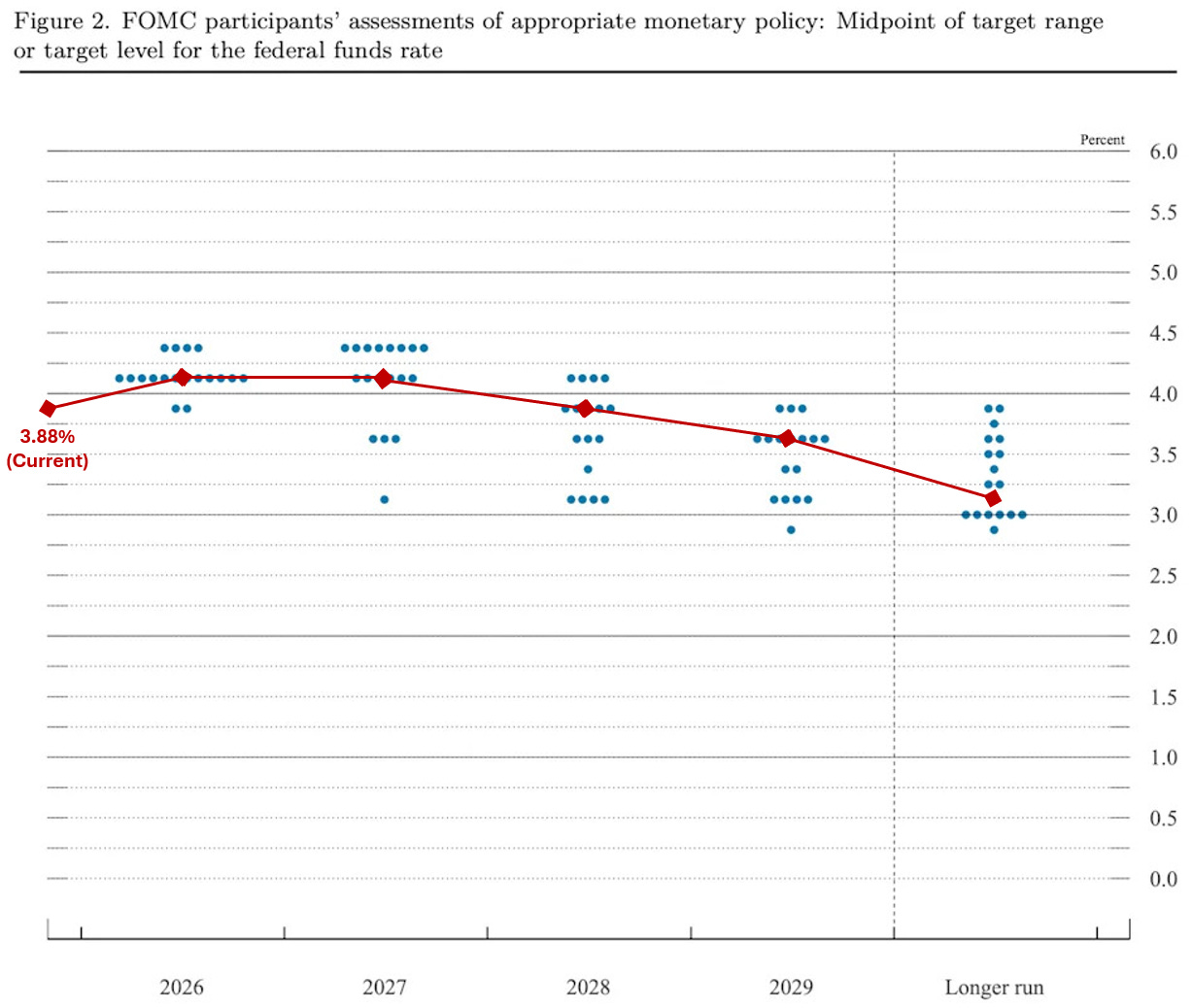
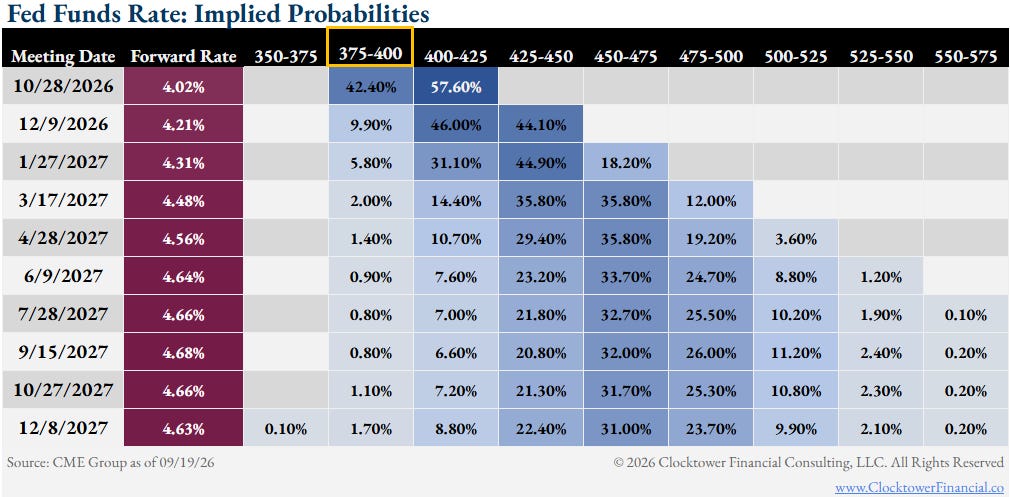
Markets have also shifted toward a higher expected rate path, with expectations for roughly three additional 25-basis-point increases through the end of 2027, compared with about 2.5 two weeks ago.
The bond market continues to drift higher, still not satisfied. The two-year Treasury yield rose about 10 basis points after the Fed announcement, while the 10-year yield moved above 5% during the week, eased, and then rose again. Market-based inflation expectations, however, declined by roughly 5-10 basis points, suggesting investors see the Fed’s action as a positive for lowering inflation.
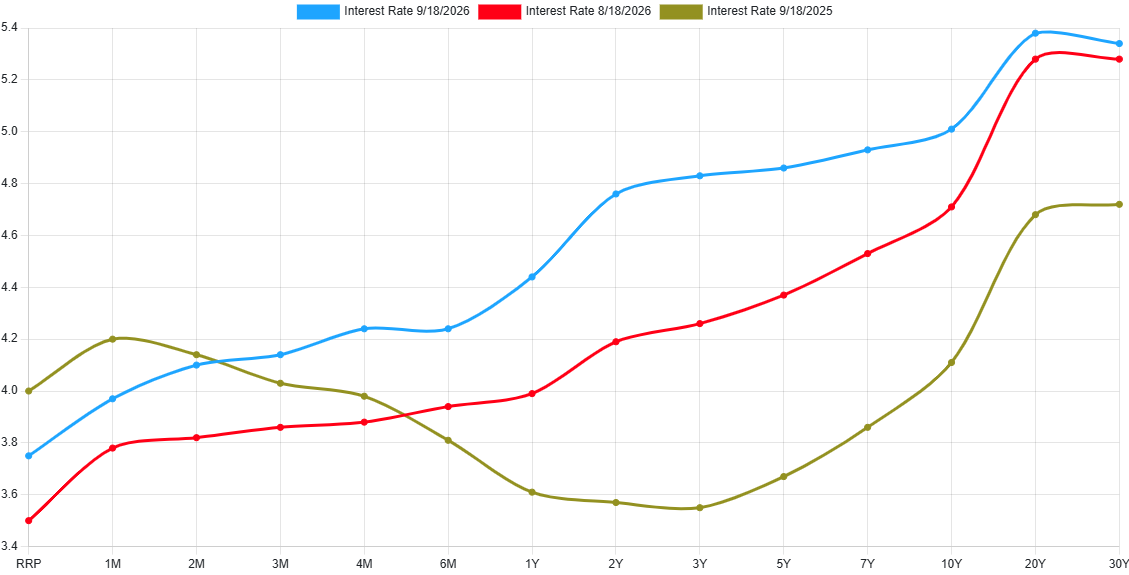
What a difference a month (or a year) make; Source: ustreasuryyieldcurve.com
The economy continues to give the Fed room to focus on inflation, which makes this kind of monetary policy action possible. The key economic backdrops that enable this include a stable, if stagnant, labor market, large AI capex spending, expanding manufacturing, and steady consumer spending. Policymakers released their raised growth and labor-market assessments in the Summary of Economic Projections only hours after August retail sales exceeded expectations. Despite elevated oil prices and inflation concerns, retail sales data shows organic growth at an inflation-adjusted pace of 2.3% year-over-year. That combination of steady growth and persistent inflation helps explain why the central bank can kick off a new tightening cycle without necessarily triggering an imminent economic downturn.
Oil and AI dominate headlines
Oil continues to be a major source of market and political volatility. Crude prices stayed above $100 for most of the week as concerns about fresh supply pushed energy prices higher. Pipeline damage in Saudi Arabia was initially reported to be manageable, but shipments to Europe have also been cancelled, calling into question just how long it will take to resume full operations through the East-West pipeline. In the early summer, as the War with Iran appeared to be poised for resolution, high oil prices were easy to overlook. Those days are over, and investors should be careful to keep rising prices and dwindling strategic reserves in focus.
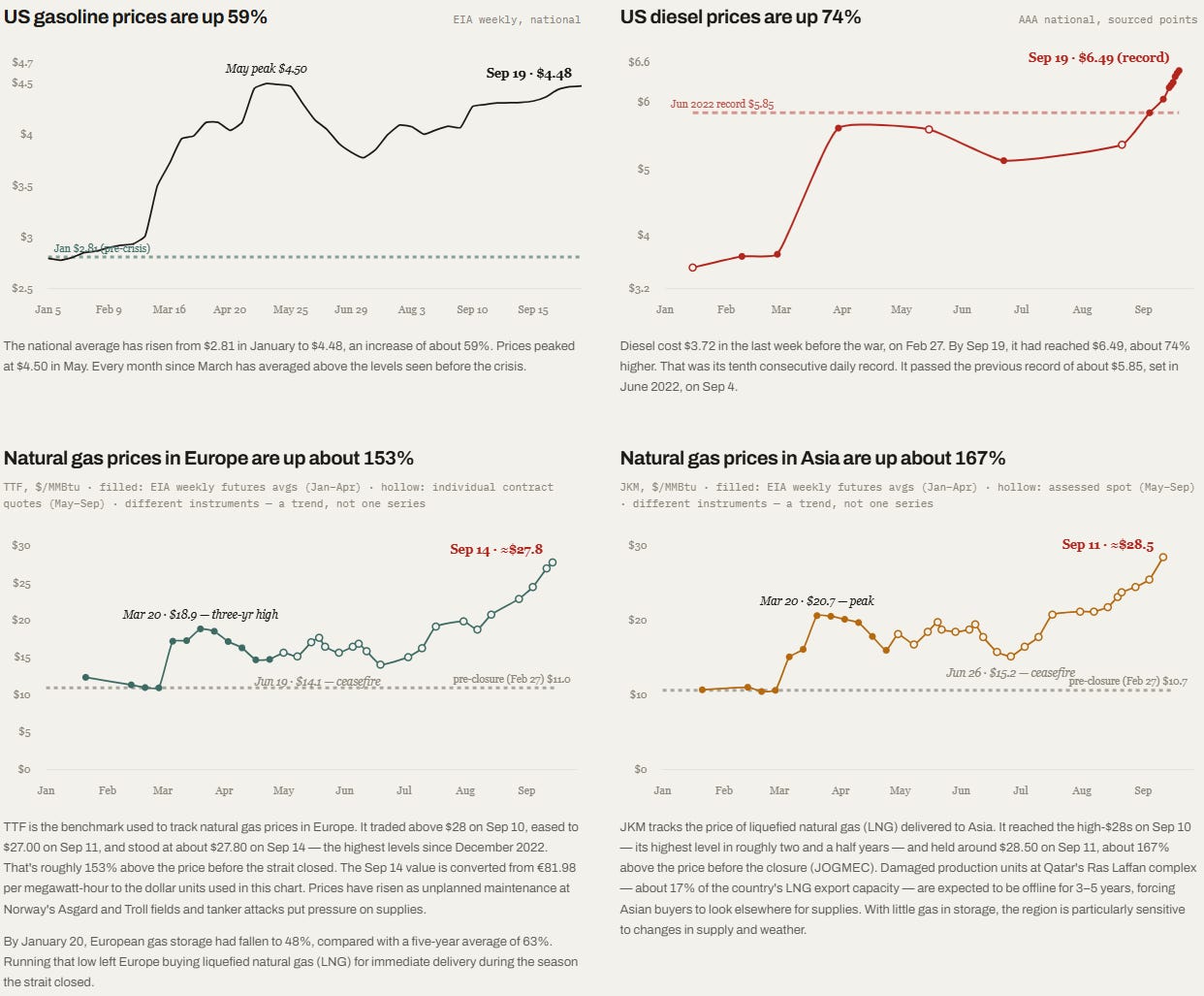
Source: Depletion.org
AI appears to be the biggest source of both hope and fear within the economy lately. Fear overtook hope this past week as concerns about the safety of advanced AI development triggered selling early in the week. Despite a concerted effort from numerous AI researchers and the CEOs of major AI companies, there are doubts about the motivations behind a call for “pacing the frontier,” as CEO of Anthropic Dario Amodei implored.
Comments from NVIDIA CEO Jensen Huang, Meta CEO Mark Zuckerberg, and others helped stabilize the broader group, with some pushing back on the need for additional regulation or governmental constraints. President Trump himself weighed in, dismissing concerns and promoting the need for the US to continue to lead in AI. Technology-related stocks recovered, helping the Nasdaq outperform despite other parts of the market struggling with rising rates.
Investors’ news filters needs to be based on what all these narratives mean for earnings over the next 12-18 months. Earnings growth is expected to remain near 20% for the S&P 500 and U.S. mid-cap stocks in the quarters ahead, while resilient consumer spending provides another source of economic support. If earnings and margin growth broaden beyond a small group of large- and mega-cap companies, the market’s advance could become less dependent on a handful of industry groups.
What this means for investors and what’s next
Next week’s calendar is relatively light on economic and earnings reports, leaving oil prices, Treasury yields, and geopolitical developments as the primary catalysts. A sustained move in 10-year Treasury yields above 5% would put more pressure on stock valuations, especially if it coincides with oil staying above $100. Alternatively, a pullback in energy prices or yields would ease some of the pressure that has pushed rate expectations higher.
The September 24 meeting between President Trump and Chinese President Xi Jinping is another potential source of market volatility. Trade, critical minerals, technology, and the broader U.S.-China relationship are on the agenda, and each side is likely to release market-moving details on any progress or hang-ups.
Initial jobless claims, home sales, and the final Michigan consumer survey will provide minor but useful updates on the health of the U.S. economy. AutoZone, Costco, and Darden earnings will offer more data on recent consumer habits.
Right now, less than half of S&P 500 stocks are above their 200-day moving average, down from over 70% a little more than a month ago. The Nasdaq and the Russell 2000 have also deteriorated, but not as much. This breakdown in market breadth could be a concern as economic headwinds mount.
If yields and oil stabilize while earnings and economic data remain firm, the market has a foundation to absorb higher rates. But if both continue climbing, pressure on rate-sensitive stocks could build. The 5% level on the 10-year Treasury and the path of oil prices will be two of the most important signals to watch in the weeks ahead.
Related: Oil, Inflation and the Fed: Why Investors Should Expect More Market Volatility
