

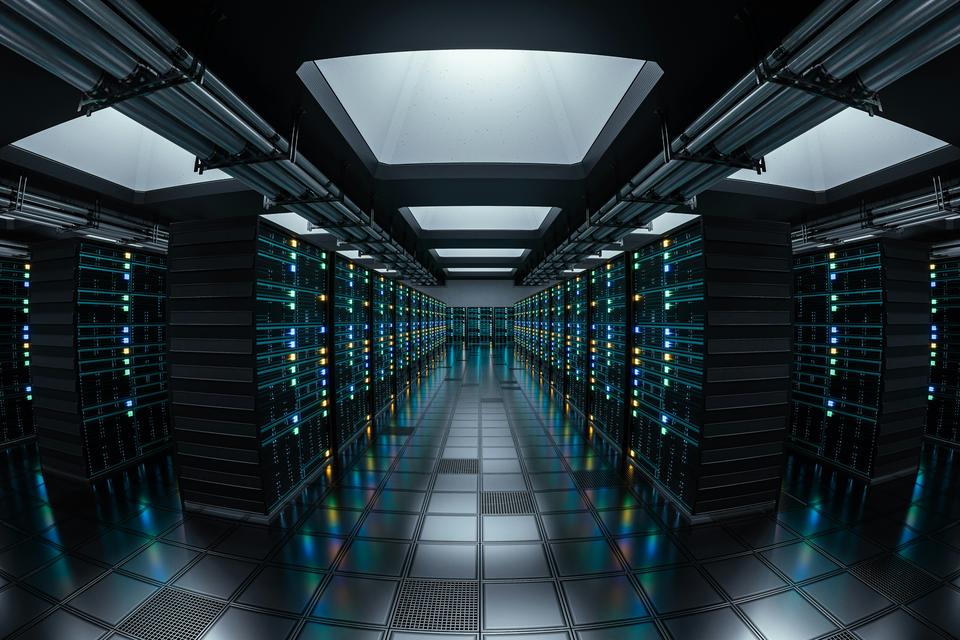
AI has changed the scale and cost of digital infrastructure in a matter of a few years. What was once a niche property type for real estate investors now sits at the center of a large emerging capital market, with hundreds of billions of dollars flowing into physical facilities each year. For financial advisors, that shift means scrutinizing these new assets, much like they would any major allocation decision.
1. Understand the Different Investment Vehicles
Clients can gain data center exposure through one of two broad paths — public markets or private funds. The two differ significantly in liquidity, volatility and the amount of direct exposure they provide.
Listed data center investment vehicles like real estate investment trusts, along with sector-specific mutual funds and exchange-traded funds, offer liquidity and transparency that private structures may not provide. However, this accessibility comes at a cost. Since these are long-duration assets, public vehicles can be volatile and sensitive to interest-rate swings.
Private real estate and infrastructure funds sit on the other end of the spectrum. They tend to offer more direct exposure to data center properties and development projects. These valuations tend to change less frequently than public market prices, although investors generally accept longer holding periods and less frequent pricing.
2. Analyze the Real Balance Sheet Risks
Data center investing also requires a closer examination of tenant finances. Major hyperscalers like Amazon, Meta, Microsoft, Google and Oracle have committed enormous sums to future data center leases, including $662 billion to unrecognized lease commitments that had not yet commenced. As of 2025, generally accepted accounting principles did not require those uncommenced obligations to appear as current liabilities.
For advisors, that distinction matters when assessing the financial strength of a data center tenant or the risk of a fund that depends on hyperscaler demand.
Advisors should examine lease commitments, guarantees, tenant credit quality and expected future capital requirements alongside reported debt.
3. Factor in Environmental and Physical Constraints
A data center’s economics depend heavily on access to electricity and water. Servers account for about 60% of electricity demand in modern data centers, although the proportion varies by facility and technology.
Cooling requirements add another consideration. Large data centers can consume as much as 5 million gallons of water per day, depending on their cooling systems and local conditions.
These requirements can affect operating costs, permitting, zoning and community acceptance. They can also influence where developers choose to build. A facility with strong tenant demand may still face financial pressure if electricity or water costs rise significantly.
4. Evaluate Power Sourcing and Interconnection Delays
Power availability has become one of the biggest constraints on new data center development. Grid connections can take years, creating a gap between a project’s initial investment and the point when the facility can generate revenue.
Projects built in 2022 took five years from an interconnection request to commercial operations, compared with fewer than three years for projects built in 2008. Cleary Gottlieb also identifies power as the primary bottleneck for current data center development.
For advisors evaluating a data center investment, the development timeline needs as much attention as the projected rental income. Questions around utility capacity, interconnection, permitting and alternative power sources can affect when an asset starts to produce cash flow.
5. Account for Rapid Technological Obsolescence
Data center buildings can stay useful for decades, while the technology inside them can have a much shorter economic lifespan. AI workloads are increasing power density and changing requirements for cooling and electrical infrastructure.
That creates uncertainty around terminal value. A facility designed for one generation of computing equipment may require major upgrades before it can support newer workloads. Single-tenant or highly specialized facilities can face additional risk if a tenant’s requirements change or if a different architecture becomes more economically viable.
Financial advisors should therefore distinguish between the useful life of the physical building and the economic life of its data center infrastructure. Capital requirements, lease terms, tenant flexibility and redevelopment potential can all influence the asset’s long-term value.
Navigating Data Center Portfolios
Data centers offer access to growing AI and cloud infrastructure demand. However, their returns depend on factors like tenant commitments, power availability, operating costs and future capital needs. Advisors should weigh these fundamentals carefully when assessing data centers for client portfolios.
