

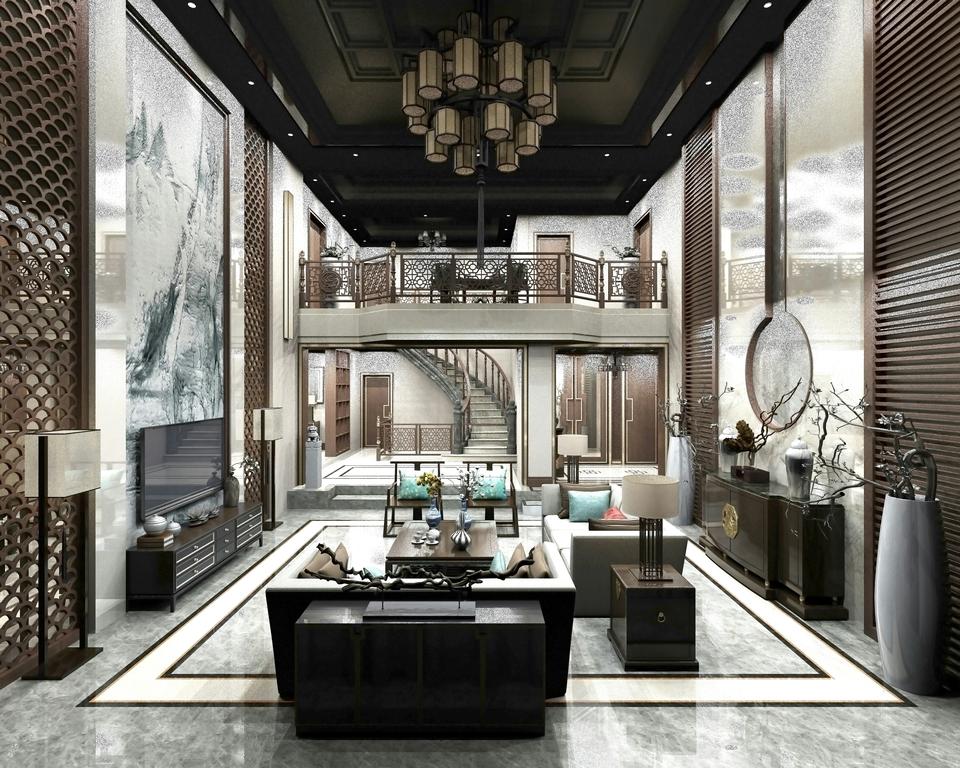
Somewhere in a boardroom, someone had to say, “Hear me out. What if we built a Waldorf Astoria in Fredericksburg, Texas?”
I would have paid good money to be in that meeting.
Not Dallas. Not Austin. Not Houston. Fredericksburg. A charming little Texas Hill Country town known for German heritage, wineries, peach stands and people who take their schnitzel very seriously. I can almost picture someone pulling up a map, checking the population and wondering whether the development team had confused the hotel expansion meeting with plans for the company retreat.

But the more I looked into this decision, the more fascinating it became. Because behind what initially sounds like an unusual location is a potentially brilliant business strategy involving tourism, wealthy Texans, luxury real estate and an unmet market need.
And as a marketer, I absolutely love this kind of story.
First, What Exactly Is Waldorf Astoria?
For anyone unfamiliar with the brand, Waldorf Astoria sits at the very top of Hilton's luxury hotel portfolio. Its legendary New York property has hosted presidents, celebrities and enough wealthy guests to make a Forbes billionaire list look like a dinner reservation. Hollywood has loved it, too. The hotel has appeared in films including Coming to America with Eddie Murphy (because nothing says luxury quite like “Let your Soul Glo!”), Scent of a Woman with Al Pacino, and Catch Me If You Can with Leonardo DiCaprio. This is a brand with more than a century of history, synonymous with old-school glamour, exceptional hospitality and the kind of luxury where nobody asks whether breakfast is included.
Today, you'll find Waldorf Astoria properties in destinations including New York City, Amsterdam, Rome, Beverly Hills and the Maldives. These aren't hotels competing on free breakfast or whether the parking lot has enough spaces. They're selling extraordinary service, privacy, fine dining and experiences that make guests feel like someone has anticipated their every need.

Waldorf Astoria, Amsterdam
Now the brand is planning its Texas debut on 106 acres just outside downtown Fredericksburg, with an opening currently targeted for 2029.
The development includes 60 hotel rooms and suites, resort villas, private residences, an 11,000-square-foot spa and fitness center, pools, event space and several dining concepts. Michelin-starred chef Dominique Crenn is also involved in the culinary plans.
And if that sounds ambitious for a town of approximately 12,000 people, you're not alone.
Welcome to the Wine Country of Texas
For readers unfamiliar with Fredericksburg, it's located in the heart of the Texas Hill Country, about 70 miles northwest of San Antonio and 80 miles west of Austin. Founded by German immigrants in 1846, the town has maintained much of its historic charm while becoming one of Texas's favorite weekend destinations.
Picture rolling hills, beautiful vineyards, oak trees, boutique shopping, German restaurants and enough wine-tasting opportunities to make Monday morning feel like a distant concern.

The surrounding area is home to nearly 100 wineries, vineyards and tasting rooms. Texans come for romantic weekends, weddings, anniversary celebrations, girls' trips and the occasional getaway that begins with “We're just going to have one glass.”
Fredericksburg has spent years building a reputation as a destination worth visiting. The question is whether its visitors are ready for something considerably more luxurious.
Fredericksburg vs. New York City. Follow the Money.
To understand why Waldorf Astoria might choose Fredericksburg, it helps to look at the destinations where the brand traditionally operates.
New York City welcomed approximately 65 million visitors in 2025, generating $55.6 billion in direct tourism spending. That's roughly $855 per visitor. Amsterdam, another Waldorf Astoria destination, welcomed approximately 9.5 million overnight guests that year, not including its substantial day-trip market.
Now consider Fredericksburg, with a year-round population of approximately 12,000.
The broader Fredericksburg area reportedly attracts more than 5 million visits annually, according to the San Antonio Express-News. That's an impressive amount of tourism activity for a town of approximately 12,000 residents, even accounting for visitors to the surrounding region. While Fredericksburg isn't competing with New York or Amsterdam in sheer scale, it has built a remarkably strong tourism economy for its size. And when you consider the affluent travelers within driving distance, it's easier to understand why a luxury brand like Waldorf Astoria sees an opportunity.
And unlike New York or Amsterdam, Fredericksburg benefits from something particularly attractive to a resort developer: wealthy customers who can get there without boarding an airplane.
Austin, San Antonio, Houston and Dallas-Fort Worth are all within driving distance. That's an enormous potential audience of business owners, executives, retirees and affluent families who may already love the Hill Country.
Waldorf Astoria doesn't need all 5 million reported visits to turn into luxury hotel bookings. With just 60 dedicated hotel rooms planned, it needs a relatively small number of travelers willing to pay considerably more for an exceptional experience.
Which brings us to what I think is the most interesting part of this story.
Is There Actually an Unmet Need for Luxury Hotels?
Before we assume Fredericksburg is lacking upscale accommodations, let's give the town some credit. There are already beautiful places to stay.
The Albert Hotel, which opened in January 2025, was Fredericksburg's first full-service luxury hotel. It offers 105 rooms, a spa, a pool, restaurants and bars, all within walking distance of Main Street. Other attractive options include Hoffman Haus, Onera Fredericksburg and several boutique properties that specialize in intimate, memorable Hill Country experiences.

The Albert Hotel
And visitors are already willing to pay meaningful prices.
When the Albert Hotel opened, the San Antonio Express-News reported standard room rates starting in the high $200s on weekdays and mid-$400s on weekends. More recent KAYAK pricing data shows average rates of approximately $278 on weeknights and $478 on weekends.
The short-term rental market tells a similar story. According to AirDNA's October 2026 data, Fredericksburg has approximately 2,617 active short-term rental listings, with an average nightly rate of $328.
For a small Texas town, those aren't exactly bargain-basement prices.
But here's the distinction. A beautiful boutique hotel and a sprawling Waldorf Astoria resort aren't necessarily competing for the same customer or occasion. One might offer a charming room near Main Street and a wonderful breakfast. The other is planning a full luxury experience with destination dining, expansive grounds, resort amenities and multimillion-dollar homes.
It's the difference between booking a lovely weekend in wine country and making the resort itself the reason for the trip.
And that's where I see the potential unmet need. Fredericksburg already has upscale lodging, but there's room to test whether the market can support a globally recognized, ultra-luxury resort experience.
Of course, there's a cautionary note in the data. AirDNA reports that short-term rental occupancy is averaging just 42%, while nightly rates have declined approximately 10% over the past year. That suggests plenty of competition and some softness in the broader accommodation market.
So the opportunity isn't simply that Fredericksburg needs more hotel rooms. The developers have to believe there's a specific customer willing to pay a premium for something different.
And if I were evaluating the investment, that's exactly where I'd focus.
So Why Fredericksburg? Let's Think Like a Hotel Developer.
If I were sitting in that boardroom, I wouldn't start with Fredericksburg's population. I'd start with a map of Texas and circle Austin, San Antonio, Houston and Dallas. Then I'd ask a simple question: How many wealthy people live within a reasonable drive of this property, and how many already spend their weekends in the Hill Country?
Next, I'd study the accommodations people are already booking. What do they pay for the nicest hotels? How often are premium properties sold out? Are travelers returning multiple times a year? And is there a segment that would happily pay more for extraordinary service, fine dining, a luxury spa and the convenience of having everything in one place?
The existing tourism industry has already done much of the work. Fredericksburg has the wineries, restaurants, beautiful scenery and reputation as a weekend destination. The developers don't have to convince people that Texas wine country is worth visiting. They need to convince affluent visitors that there's a better way to experience it.
Then I'd turn to the real estate opportunity, because this is where the financial model gets especially interesting.
This Isn't Just a Hotel. It's a Real Estate Business, Too.
The development isn't simply 60 hotel rooms. It also includes resort villas and private residences, with homes starting around $3.5 million.
Think about what that means financially. Fifty private residences selling at a starting price of $3.5 million would represent at least $175 million in potential gross sales, before accounting for development costs, commissions and other expenses. That's not a profit projection, and the actual mix of homes and prices matters, but it illustrates how different this business model is from a conventional hotel.
And there are already signs of buyer interest. The Houston Chronicle reported in May 2026 that 14 of the first 22 villas offered for sale had been purchased, with prices around $4 million.
Even more interesting is who's buying. In an August 2026 Forbes interview, the property's residential sales director described interest from Austin's technology and entrepreneurial communities, as well as affluent families from Houston, Dallas and San Antonio.
In other words, the customer base looks remarkably similar to the one I'd expect to see in the original development presentation.
These buyers aren't necessarily looking for a primary residence in Fredericksburg. Many want a second or third home with privacy, beautiful surroundings, resort amenities and professional management.
For the developer, branded residences create another source of revenue. For the hotel brand, those homeowners can become long-term customers with ongoing relationships to the property. And for buyers, there's an appealing combination of private ownership and the services of a world-class resort.
From a marketing perspective, it's a fascinating example of customer lifetime value. A weekend guest might return for an anniversary, bring friends for a celebration and eventually consider buying a home. The hotel becomes an introduction to an entire lifestyle.
Of course, I suspect the real estate presentation contained a few more spreadsheets and considerably fewer references to wine.
The Wineries Already Did a Lot of the Marketing.
One of my favorite aspects of this strategy is that Waldorf Astoria is entering a destination with an established identity.
Fredericksburg's wineries, restaurants, boutiques, tourism organizations and small businesses have spent decades creating awareness and giving people reasons to visit. They've already helped position the Hill Country as a place associated with beautiful scenery, memorable experiences and a slower pace of life.
That's incredibly valuable to a luxury hospitality brand.
Think about Napa Valley. The wineries helped establish the region's reputation long before many of its most recognizable luxury resorts arrived. Those resorts could build upon an existing destination rather than trying to create one from scratch.
Fredericksburg isn't Napa, and it doesn't need to become Napa. But the opportunity follows a similar pattern. Wine tourism attracts visitors, visitors create demand for restaurants and accommodations, and better hospitality offerings can attract customers willing to spend more.
Waldorf Astoria is essentially arriving at a dinner party after everyone else has prepared the food, selected the wine and set the table. It still needs to bring something exceptional, but at least it doesn't have to convince everyone to show up.
And the developers behind the project understand this world. Mark Harmon, one of the partners, founded Auberge Resorts, while fellow developer Robert Radovan has experience with luxury hospitality projects including Calistoga Ranch in Napa Valley.
That background makes the decision feel considerably less random. These aren't developers unfamiliar with wine-country luxury. They're applying experience from one established destination to another market they believe has potential.
But Can You Fill the Rooms on a Tuesday in February?
As much as I appreciate the strategy, this is the question I'd want answered before approving the investment. I'm sure the Waldorf Astoria development team will be calling any day now to get my thoughts on their billion-dollar decisions, but until then, I'll just sit here with my glass of wine and a few questions.
Fredericksburg is a popular weekend destination, particularly during wine season, holidays and special events. But luxury resorts have operating expenses seven days a week. Employees need to be paid, restaurants need customers, and a beautiful spa doesn't become profitable simply because it looks wonderful in the brochure.
The financial model needs to account for slower weekdays and off-season demand.
That's where corporate retreats, weddings, wellness travel, special events and repeat guests become important. The resort also has to create reasons for people to visit throughout the year, not just during peak tourism weekends.
And competition is growing. Fredericksburg has several additional hotel developments in the pipeline, meaning Waldorf Astoria won't be the only company trying to capture the area's expanding hospitality market.
There are also practical challenges. The project's opening has shifted from its original 2027 target to 2029 following development and roadway planning issues. Local concerns about infrastructure, drainage and preserving the area's character deserve serious consideration.
A luxury resort can create jobs, tax revenue and economic activity, but the best development strategy should also respect the community that made the destination attractive in the first place.
After all, if you replace everything charming about Fredericksburg with luxury developments, eventually you're left with a very expensive place that looks like everywhere else.
And that would be a shame.
The Bigger Marketing Lesson: Follow the Customer, Not Just the Population.
What makes this story so compelling to me isn't simply that Waldorf Astoria is coming to a small Texas town. It's the kind of thinking required to identify an opportunity that might not be obvious from traditional market research.
Too often, businesses evaluate markets by looking at the most basic numbers. Population. Median household income. Number of competitors. Those figures matter, but they don't always reveal where customers are spending money or what they're willing to pay for.
Fredericksburg is a perfect example. If you looked only at the town's population and median income, you might question whether it could support a world-class luxury resort. But once you consider the millions of reported annual visits, affluent households within driving distance, existing premium accommodation rates and potential demand for second homes, the picture changes.
The question becomes less about how many people live in Fredericksburg and more about how many wealthy people want to spend time there.
And perhaps most importantly, what are they not getting from the experiences already available?
That's where unmet market needs often hide. Not in a place with no competitors, but in a market where customers are already spending money and may be willing to spend more for something meaningfully better.
Waldorf Astoria is making a substantial bet that Fredericksburg is one of those places. Whether it succeeds will depend on pricing, execution, year-round demand, competition and the economics behind those multimillion-dollar residences.
But the strategy is far more thoughtful than simply putting a famous hotel name in an unexpected location.
The developers appear to have identified an established destination, a large pool of affluent regional customers, a potential gap at the very top of the hospitality market and an opportunity to combine hotel revenue with luxury real estate.
That's a compelling business case, even if it comes with considerable risk.
And I still want to know who made that original boardroom pitch, because convincing a room full of executives to bring one of the world's most prestigious luxury hotel brands to a Texas town famous for wine, peaches and German food?
That's a presentation I'd happily sit through... especially if they served wine.
Related: ChatGPT Ads Hit a $1 Billion Run Rate in 200 Days. Do They Work?